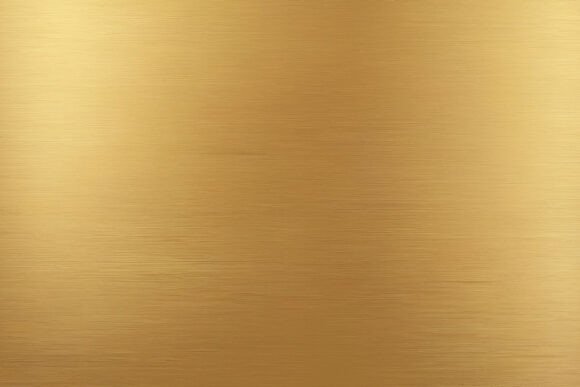
Brushed Titanium Plate Background Wallpaper: A Modern Design Essential
Brushed Titanium Plate Background Wallpaper has emerged as a favored choice for designers, marketers, and creatives seeking a sleek, industrial aesthetic. With a resolution of 5824 x 3264 px and delivered as a high-quality JPG file, this wallpaper offers both visual impact and practical versatility. Whether used in digital design projects, print media, or as a backdrop for branding materials, the brushed titanium texture brings a refined, contemporary edge to any visual presentation.
Why Brushed Titanium Texture Stands Out
The appeal of the brushed titanium finish lies in its subtle complexity. Unlike glossy or flat metallics, the brushed effect introduces fine directional lines that catch light in nuanced ways, giving depth and dimension to the surface. This texture mimics the look of real metal without the glare, making it ideal for both minimalist and high-tech design applications.
Designers often seek textures that are both modern and timeless, and Brushed Titanium Plate Background Wallpaper delivers on both fronts. It works seamlessly in UI/UX design, product mockups, architectural visualization, and even in print formats like brochures or packaging. The texture’s neutral tone and metallic sheen make it adaptable across color schemes and styles.
Meeting the Demand for Print-Ready Visual Resources
As digital and print workflows converge, the need for high-resolution, print-ready files has never been greater. The 5824 x 3264 px dimensions of this wallpaper ensure it can be used across a wide range of formats, from mobile screens to large-format posters. Its JPG format balances quality and file size, making it accessible without compromising resolution.
Professionals in marketing, graphic design, and web development benefit from having such assets readily available. For example, a branding agency might use this background to create a futuristic look for a tech startup’s website or promotional materials. Similarly, a freelance designer might integrate it into a portfolio mockup to convey a premium feel.
Aligning with Contemporary Design Trends
Current design trends favor minimalism with subtle texture and depth. The brushed titanium look fits perfectly into this aesthetic, offering a tactile quality without overwhelming the design. It’s especially popular in tech-related visuals, where it conveys innovation, durability, and sophistication.
Moreover, as users grow more accustomed to high-quality visuals across devices, the demand for assets that look sharp on both screens and printed media continues to rise. The Brushed Titanium Plate Background Wallpaper meets this need by maintaining clarity and detail at high resolution, ensuring that visuals remain crisp and professional regardless of medium.
Practical Applications Across Industries
This wallpaper isn’t just a visual treat; it serves real-world functions across multiple industries. Here are a few practical uses:
- Product Design: Used in 3D renderings and packaging mockups to simulate metallic surfaces.
- UI/UX Design: Provides a high-end backdrop for app interfaces, dashboards, or login screens.
- Marketing Materials: Enhances presentations, social media templates, and promotional banners with a modern edge.
- Architectural Visualization: Adds realism to interior and exterior design renderings, especially for contemporary spaces.
- Educational Content: Used in digital learning materials to create visually engaging layouts.
Choosing the Right File for Professional Use
When selecting background assets, file quality and format are critical. The JPG format of the Brushed Titanium Plate Background Wallpaper ensures compatibility across most design software, while the high resolution guarantees clarity at any scale. Being a print-ready file, it eliminates the need for additional conversions or quality loss when moving from screen to print.
For professionals working under tight deadlines, having access to such ready-made, high-quality resources streamlines the creative process. It allows for faster iteration and more focus on the overall design concept rather than technical constraints.
How to Incorporate This Wallpaper into Your Workflow
Integrating the Brushed Titanium Plate Background Wallpaper into your projects is straightforward. Here are a few tips to make the most of it:
- Layer with Transparency: Use it as a base layer with reduced opacity to add depth without overpowering other design elements.
- Pair with Bold Typography: The subtle texture contrasts well with clean, modern fonts, making headlines and calls to action stand out.
- Use in Mockups: Apply it to device or product mockups to give them a premium, industrial feel.
- Customize with Overlays: Add gradients, tints, or patterns over the texture to match specific brand palettes.
- Optimize for Web: While the file is print-ready, always generate a compressed version for web use to maintain fast load times.
Looking Ahead: The Future of Textured Backgrounds
As design continues to evolve, the role of texture in digital and print media remains strong. Users expect immersive, tactile experiences even in virtual spaces. Textures like brushed titanium help bridge the gap between physical and digital aesthetics, offering a sense of realism and craftsmanship.
With advancements in display technology and the rise of augmented reality, textured backgrounds are likely to play an even bigger role in future design practices. The Brushed Titanium Plate Background Wallpaper represents a current standard that can adapt to these emerging trends, offering a timeless yet forward-looking design element.
Final Thoughts
The Brushed Titanium Plate Background Wallpaper is more than just a visual asset—it's a versatile tool that meets the evolving needs of designers, marketers, and creators. Its combination of high resolution, print-ready format, and modern aesthetic makes it a valuable addition to any creative toolkit. As design expectations continue to rise, having access to such polished, adaptable resources ensures that professionals can deliver work that stands out in both digital and physical spaces.