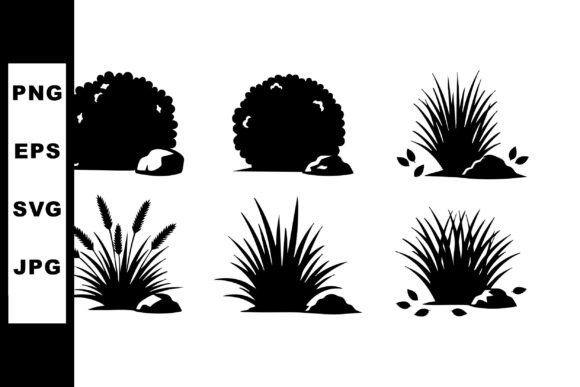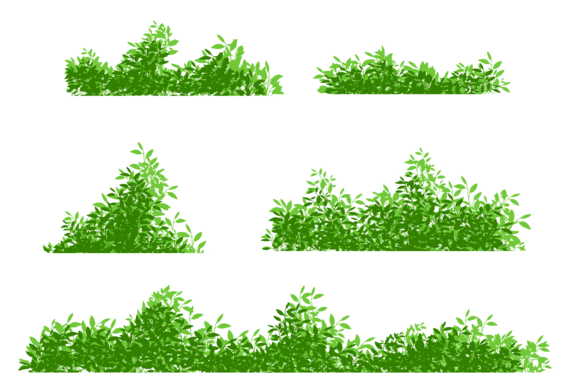
Bush Background. Green Bushes – Practical Uses and Common Pitfalls
When it comes to digital design, the right background can make a world of difference. Bush Background. Green Bushes is a popular choice among designers, marketers, and content creators who want to add a natural, organic feel to their visuals. Whether you're working on a website, a presentation, or promotional material, a high-quality bush background can enhance aesthetics and convey the right message. But like any design asset, it's easy to make mistakes that undermine its effectiveness.
Understanding Bush Background. Green Bushes
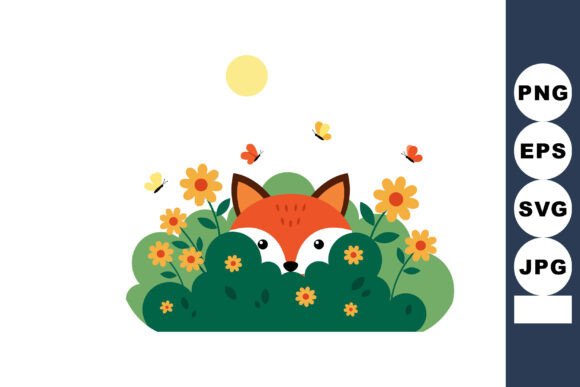
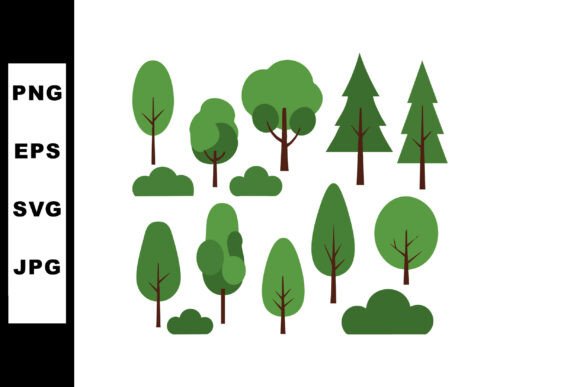
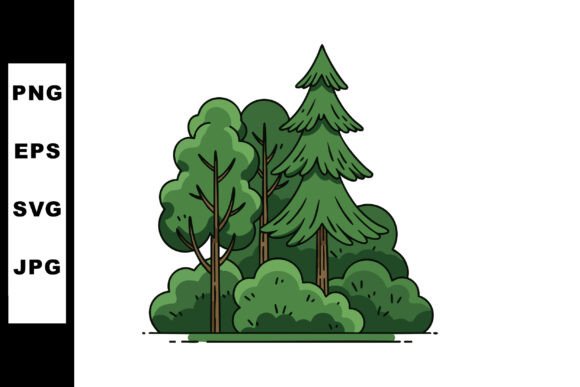
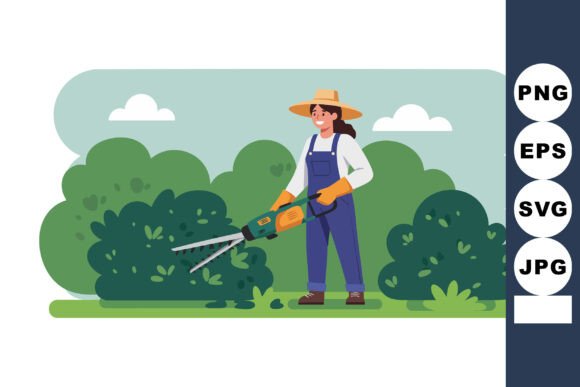
Bush Background. Green Bushes typically refers to a collection of digital images or vector files featuring dense, green shrubbery. These files often come in multiple formats such as SVG, PNG, DXF, and EPS, usually bundled in a ZIP file. They're widely used in graphic design, web development, print media, and even in digital crafting projects. The transparency of the PNG versions makes them especially versatile for overlaying on different backgrounds without harsh edges.
People are drawn to these assets because they offer a natural texture that can ground a design, add depth, or create a sense of environment. They’re particularly popular in eco-friendly branding, outdoor-themed content, educational materials, and nature-inspired marketing campaigns.
Common Mistakes When Using Bush Backgrounds
Despite their popularity, many users end up with subpar results due to a few recurring issues. Here are some of the most common mistakes and how to avoid them:
1. Choosing the Wrong File Type for the Task
Each format included in the Bush Background. Green Bushes package serves a different purpose. For example, SVG files are ideal for web use because they scale without losing quality, while PNGs with transparent backgrounds work well in layered designs. DXF files are more suited for CAD or laser cutting projects, and EPS is typically used for print.
Mistake: Downloading only the PNG version and trying to use it for large-format printing or scalable web graphics.
Better approach: Assess your project's needs before downloading. If you're designing for a website, prioritize SVG. For print, go with EPS. If you're layering over text or other graphics, transparent PNGs are your best bet.
2. Overlooking Resolution and Quality
Many users assume that all PNG files included are high resolution. However, some packages may include lower-quality images to save on file size. This can lead to pixelation when scaled or printed.
Mistake: Using a 72dpi PNG for a printed brochure or poster.
Better approach: Always check the resolution of the PNG files included. For print, aim for 300dpi. If unsure, test a small section at full size before committing to the design.
3. Misusing Transparency
Transparent backgrounds in PNGs are a major advantage, but they can also cause issues if not handled properly. Designers sometimes forget that transparency may interact unpredictably with certain background colors or textures.
Mistake: Placing a bush image with a transparent background over a complex pattern, causing visual clutter.
Better approach: Use a soft gradient or solid color underneath to maintain clarity. Preview your design on different background tones to ensure readability and visual harmony.
4. Ignoring Licensing and Usage Rights
Not all Bush Background. Green Bushes downloads are free for commercial use. Some may require attribution or restrict usage in certain contexts like merchandise or resale products.
Mistake: Using a bush background in a client project without confirming the license terms.
Better approach: Always read the license agreement included in the download package. If unsure, reach out to the creator for clarification or choose assets from verified platforms that clearly state usage rights.
What to Check Before You Download or Use Bush Background. Green Bushes
To ensure you're getting the most out of your design assets, take a few moments to verify the following before downloading or using Bush Background. Green Bushes:
- File formats included – Are they suitable for your intended use (web, print, craft)?
- Resolution – Is it high enough for your output size?
- Transparency – Do the PNG files have clean, usable transparent edges?
- License terms – Can you use the files commercially? Do you need to credit the creator?
- Compatibility – Will the files work in your software (e.g., Adobe Photoshop, Illustrator, Canva, Cricut)?
How to Use Bush Backgrounds Effectively
Once you've selected the right files, applying them correctly is key to achieving a polished result. Here are a few tips:
- Balance with other elements – Don't let the bush background overpower your main content. Use it as a subtle layer rather than the focal point.
- Color harmony – Ensure the green tones in the bushes complement your overall color scheme. You can adjust hues in your editing software if needed.
- Layering techniques – Combine multiple bush PNGs at varying opacities to create depth and realism.
- Test in context – Always preview the background in the actual environment where it will be used—whether that's a website, poster, or video background.
Final Thoughts
Bush Background. Green Bushes is a versatile and valuable asset when used correctly. By understanding the file types, checking quality and licensing, and applying the backgrounds thoughtfully, you can elevate your designs and avoid common frustrations. Take the time to evaluate your needs before downloading, and don’t hesitate to test different formats to see what works best for your project.
Whether you're a blogger, marketer, small business owner, or creative hobbyist, making informed choices about your design assets will lead to better results and a more professional finish.