Understanding Vector Trees, Stone, and Bushes in EPS Files for Design and Illustration
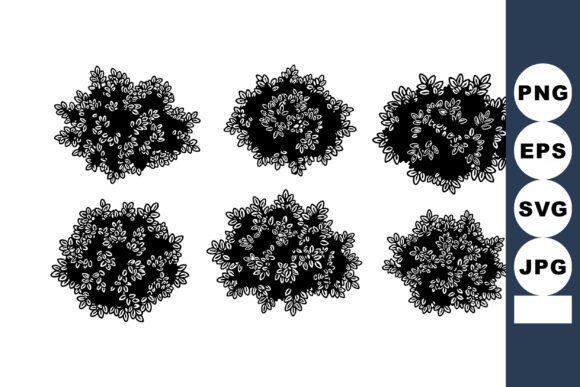
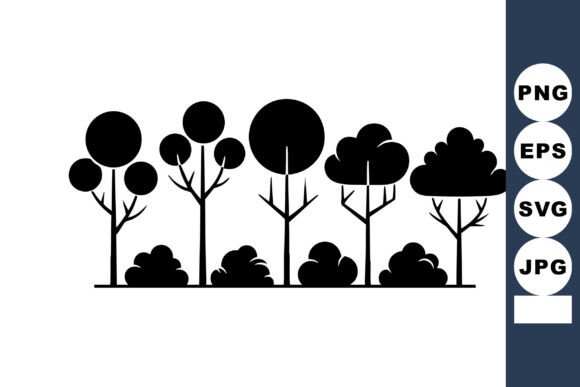
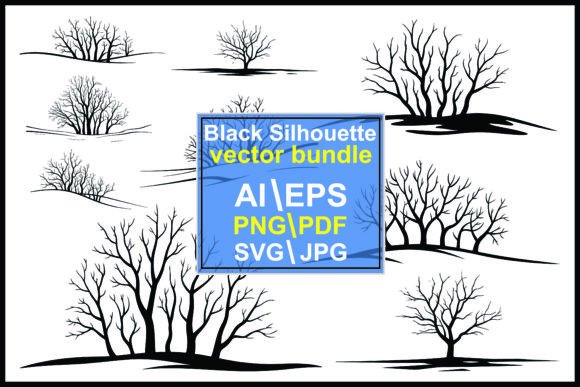
Vector graphics have become a cornerstone of modern design, especially in fields like architecture, landscaping, and digital illustration. Among the most commonly used elements are Vector Trees, Stone and Bushes, which are often bundled together in EPS (Encapsulated PostScript) files. These scalable, high-quality graphics allow designers to build intricate scenes without sacrificing detail or clarity. Whether you're working on a cityscape, garden layout, or conceptual design, understanding how to effectively use these elements can greatly enhance your visual storytelling and efficiency.
The Role of EPS Files in Graphic Design
EPS files are a staple in professional graphic design due to their ability to maintain quality at any scale. Unlike raster images, which pixelate when enlarged, vector-based EPS files use mathematical formulas to define shapes, making them infinitely scalable. This feature is particularly important when working with detailed elements like trees, stones, and bushes, which often need to be resized to fit different perspectives or compositions.
Designers working in Adobe Illustrator, CorelDRAW, or similar software often rely on EPS files for their flexibility and compatibility. The Vector Trees Stone and Bushes included in these files are typically grouped by type and style, allowing users to easily select and place them into their projects. From deciduous trees to evergreen bushes and textured stone surfaces, these assets help create depth and realism in vector illustrations.
Why Vector Trees, Stone, and Bushes Matter in Design Workflows
Incorporating Vector Trees Stone and Bushes into your design workflow can significantly speed up the creation of outdoor environments. These elements are especially useful in architectural renderings, landscape design mockups, and concept art for games or films. Here are some key reasons why they're essential:
- Consistency: Vector graphics ensure that all elements maintain the same level of detail regardless of scale.
- Customization: Since they are vector-based, you can easily adjust colors, outlines, and shapes to match your design theme.
- Efficiency: Pre-made elements save time, allowing you to focus more on composition and storytelling rather than drawing every leaf or stone from scratch.
- Professional Quality: High-quality EPS files provide clean, crisp visuals that are ideal for print and digital media alike.
Choosing the Right Vector Pack for Your Project
Not all vector packs are created equal. When selecting a set of Vector Trees Stone and Bushes, consider the following factors:
- Style: Are you looking for photorealistic textures or stylized, simplified shapes? Choose a pack that matches your project's visual tone.
- Variety: A good pack should offer multiple tree types (oak, pine, palm), various bush shapes, and different stone textures to add diversity to your scene.
- Layer Organization: Well-structured EPS files allow for easy editing, with separate layers for trunks, leaves, shadows, and background elements.
- Compatibility: Ensure the file works with your preferred software and version.
Applications Across Industries
The versatility of Vector Trees Stone and Bushes makes them valuable across a range of industries. Here are a few examples:
Architectural Visualization
Architects and urban planners use vector trees and bushes to create realistic site plans and 3D visualizations. These elements help contextualize buildings within their environment, showing how greenery and natural features integrate with structures. Stones and boulders can be used to depict terrain variations or decorative landscaping elements.
Game Development and Concept Art
In game design, vector assets are often used in early-stage concept art and 2D environments. The scalability of EPS files ensures that background elements look sharp across different screen sizes and resolutions. Designers can quickly populate scenes with forests, rock formations, and shrubbery, creating immersive worlds without complex modeling.
Print and Digital Illustration
Illustrators and graphic designers frequently use these vector elements to enrich editorial illustrations, infographics, and educational materials. Whether it's a nature-themed poster or a children's book layout, Vector Trees Stone and Bushes provide a professional and cohesive visual language.
Best Practices for Using Vector Trees, Stone, and Bushes
To get the most out of your vector assets, follow these practical tips:
- Group Elements by Type: Keep trees, bushes, and stones organized in layers for easier editing and adjustments.
- Use Shadows and Overlap: Add depth by layering foliage and using drop shadows or perspective tools.
- Customize Colors: Adjust hues to match seasonal themes or lighting conditions—think autumn leaves or snow-covered bushes.
- Combine with Textures: For a more realistic effect, overlay scanned textures or brush strokes on top of vector elements.
- Optimize File Size: Remove unnecessary layers or paths to keep your file lightweight and manageable.
Integrating with Modern Design Tools
Most EPS files are compatible with Adobe Illustrator, but many can also be imported into Inkscape, Sketch, and AutoCAD with varying degrees of success. If you're working in a 3D environment, you can often convert vector assets into sprites or texture maps for use in environments and terrain models. Always check the documentation or metadata included with the file to ensure smooth integration.
Where to Find Quality Vector Trees, Stone, and Bushes
Many online marketplaces offer high-quality EPS packs, including:
- Adobe Stock – Offers professionally curated vector packs that integrate seamlessly with Creative Cloud apps.
- GraphicRiver – A part of Envato Market, it hosts thousands of affordable and customizable vector sets.
- Freepik – Provides both free and premium vector content, though be sure to check licensing agreements.
When downloading, always verify the file format and ensure it's labeled as EPS for compatibility. Some packs may include additional formats like SVG or AI, which can be useful depending on your software preferences.
Conclusion
Incorporating Vector Trees Stone and Bushes into your design projects can elevate your work from basic sketches to rich, immersive environments. Whether you're designing a landscape plan, illustrating a storybook, or building a game world, these elements provide the flexibility and realism needed to bring your vision to life. By understanding how to effectively use and customize EPS files, you can streamline your workflow and focus more on the creative aspects of your project.